
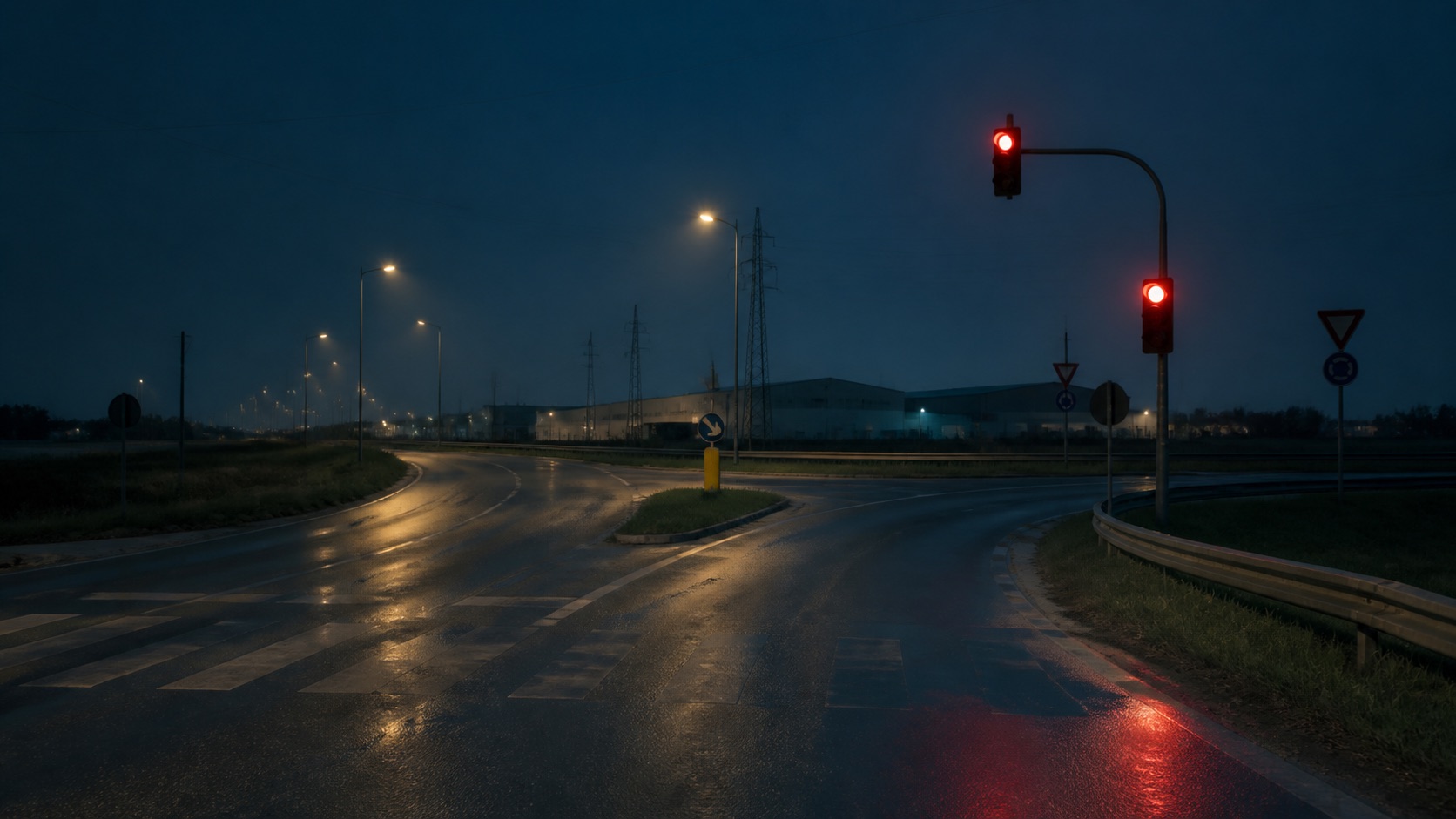
I am stopped at a red light. It is almost midnight, nobody is coming and the road ahead is empty. I could go. I do not.
For a few seconds I even feel like a decent person. Then I realise that being good when it costs nothing is a very inexpensive kind of holiness.
We talk constantly about freedom: free to choose, change, speak, become. It has become a twenty-four-hour shopping centre — many doors, a great deal of light, and no indication of where to go.
Barabbas is the man for whom a door opens. Not because he is innocent or has finally proved his worth. He leaves because another Man remains.
I met Pär Lagerkvist in an article in Tracce. He called himself a religious atheist: without faith, yet with a religious sense too alive to file God among closed cases. His Barabbas cannot believe, and cannot forget that he is alive because Christ stayed on the cross.
Freedom does not make us innocent. It makes us responsible for what we do with the door that has opened.
The lyrics of Il canto di Barabba were born in that fracture: a man unable to believe, yet unable to live as though Christ had nothing to do with him. Undeservedly free — and perhaps, for the first time, truly alive.
The light turns green. I leave. I have not solved Barabbas. Behind me remains a Man who did not come down from the cross, and the road ahead is no longer simply empty.